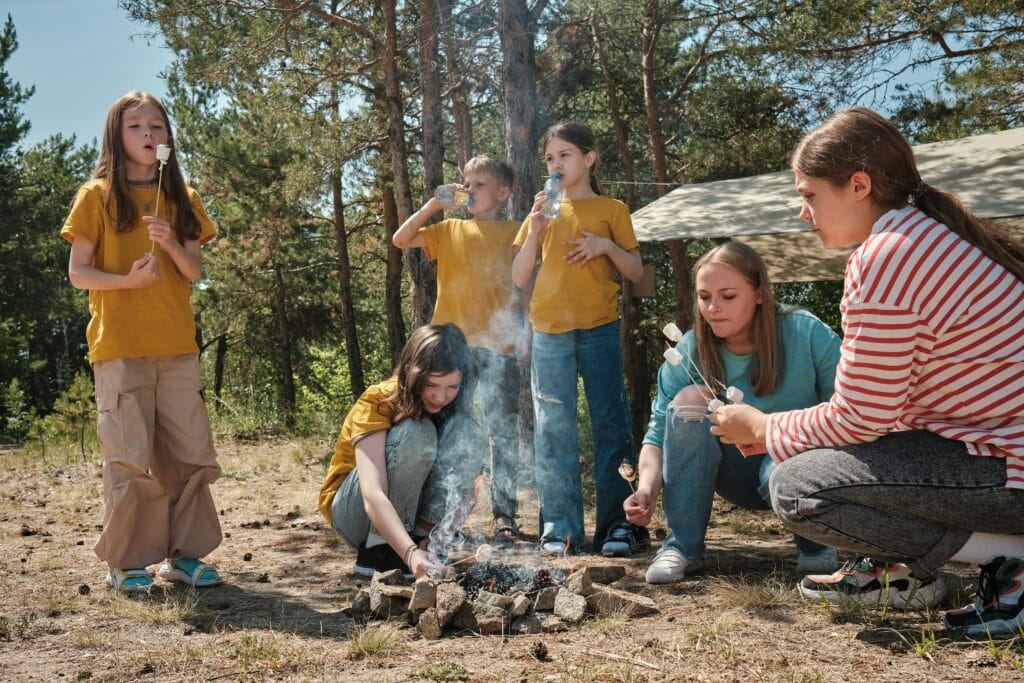
Every summer, families ask the same question: Is summer camp really worth it?
Between cost, schedules, and packing lists, camp is a big commitment. For most families, the return on that investment is much bigger than a week or two away from home. Summer camp consistently helps kids build confidence, independence, social skills, and resilience while giving them a break from screens and a chance to connect with others.
For parents wondering whether camp is worth it, research, educators, and camp directors consistently see that camp experiences create lasting developmental benefits that go far beyond the summer experience.
The Benefits of Summer Camp for Kids
1. Independence and Decision-Making
At camp, kids have a chance to make choices without parents guiding every step. Whether deciding which activity to try, managing their daily schedule, or resolving small challenges with friends, campers practice independence in a supportive environment.
These decisions help children develop:
- Problem-solving skills
- Personal responsibility
- Self-confidence in unfamiliar situations
Camp provides a safe place to try, fail, adjust, and succeed, which are all critical steps in building independence.
2. Social Skills and Communication
One of the most powerful benefits of summer camp is screen-free social interaction.
Instead of communicating through devices, campers learn how to:
- Collaborate with peers
- Resolve disagreements
- Read body language and emotional cues
- Build friendships in person
For many children, camp becomes the first place where they interact daily with peers outside their school environment. That kind of social exposure builds confidence and empathy.
3. Confidence Through Trying New Things
Camp encourages kids to step outside their comfort zones. They might try archery, perform in a skit, paddle a canoe, or lead a team activity.
Each new experience builds confidence through accomplishments.
Even when campers struggle at first, supportive staff help them persevere. The result is that kids grow into capable problem-solvers rather than people who avoid challenges. Best of all, these campers can see the growth and progress they’ve made.
4. Leadership and Teamwork
Camp environments naturally develop leadership skills. Campers learn how to:
- Support teammates
- Encourage others
- Share responsibilities
- Take initiative during activities
Older campers often mentor younger ones, and counselors model positive leadership behaviors. These experiences help children develop collaboration skills that translate directly into school, sports, and future careers.
5. Resilience and Emotional Growth
Camp is a place where kids practice emotional resilience.
Homesickness, new environments, and unfamiliar routines can feel challenging at first, but working through those feelings builds strength.
Campers learn that they can adapt, recover, and grow from new experiences. That confidence carries into the school year and beyond.
Why Camp Structure Matters
The benefits of summer camp don’t happen by accident. Behind every successful program is a well-organized system that supports campers, staff, and families. Strong camp operations ensure:
- Clear communication with parents
- Smooth registration processes
- Organized scheduling and staffing
- Reliable information sharing throughout the summer
When these systems work well, camp staff can focus on creating meaningful experiences for kids.
Is Summer Camp Worth the Cost?
For most families, the answer is yes, and not just because of the activities.
The value of camp comes from personal growth. Camp helps children develop skills that shape who they become:
- Independence
- Confidence
- Social connection
- Leadership
- Resilience
These are lessons that stay with campers for years.
And when camps have strong systems and organization behind the scenes, those experiences become even more impactful.
The Lasting Impact of Camp
Ask adults about their childhood camp memories, and you’ll often hear the themes of friendships, independence, and growth.
Summer camp isn’t just childcare or entertainment. It’s an environment intentionally designed to help kids build the skills they’ll use for the rest of their lives. For camp professionals, delivering those outcomes requires thoughtful programming—and the right tools to keep everything running smoothly.
When both pieces come together, camp becomes something more than a summer activity. It becomes an experience that shapes who kids become.
How Technology Supports Better Camp Experiences
Many camps rely on management platforms to keep everything running smoothly.
Tools like UltraCamp help camps coordinate the operational side of their programs so staff can focus on campers rather than paperwork.
Camp management software supports things like:
- Online camp registration
- Parent communication and updates
- Staff onboarding and paperwork
- Scheduling and program organization
For families, this means simpler sign-ups and clearer communication. For camp professionals, it means fewer administrative headaches and more time focused on delivering great programs.
When operations are organized, camps are better equipped to provide the safe, structured environments where campers thrive.