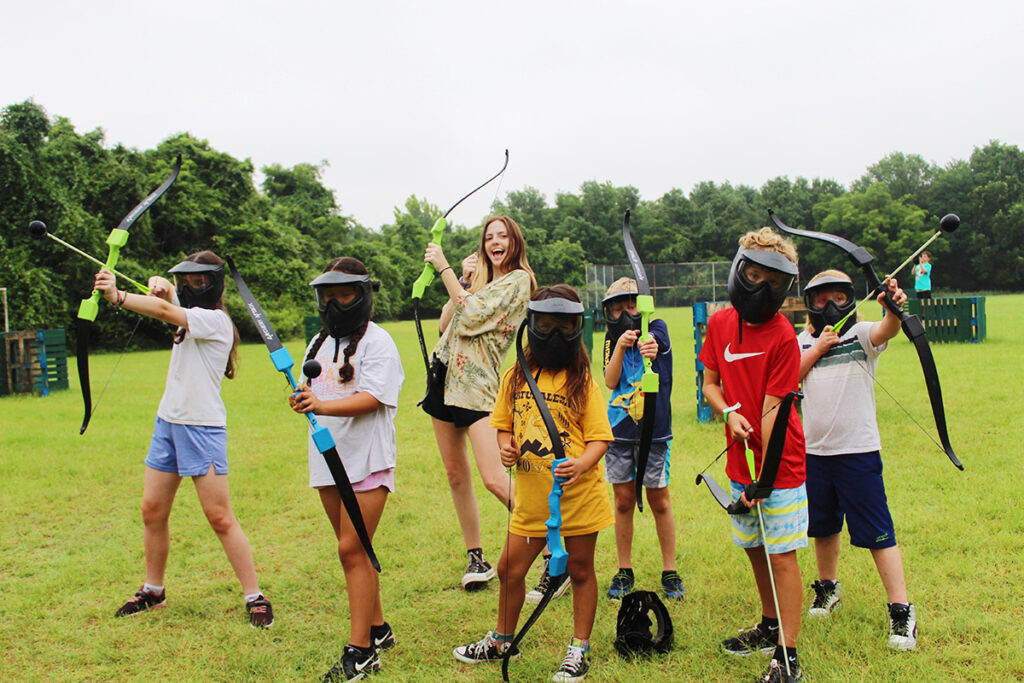
Quick Answer: Unforgettable camp activities spark emotion, joy, surprise, pride, or accomplishment, and give campers a story to share. The difference between a forgettable activity and a lifelong memory often comes down to intentional design: knowing your campers, using your space creatively, energizing your staff, and building in “wow” moments.
What Makes a Camp Activity “Unforgettable”?
Camp is full of activities, but only some of them become cemented in a camper’s mind and become truly unforgettable. So what shifts the balance between “just another activity” and a moment remembered forever?
Start With the Camper Experience in Mind
Unforgettable activities begin by seeing the camp through the campers’ eyes. Different age groups are excited by different things, so understanding what motivates, challenges, and delights them is essential. The most impactful activities are designed to spark real emotion, like joy, surprise, teamwork, pride, or a sense of accomplishment, rather than just to fill a block of time.
A helpful guiding question in planning is, “What will campers tell their parents about when they get home?” When activities are built around moments campers are eager to talk about, they naturally become more meaningful and memorable. This is also an excellent form of free social marketing.
Using Camp Space to Its Maximum Potential
Camp spaces are powerful tools for creating memorable experiences when used creatively and intentionally. Rather than seeing fields, cabins, or dining halls as static locations, staff can reimagine them as flexible environments that shape how activities feel. Thoughtful use of space helps activities feel immersive, adventurous, and fresh, even when they take place in familiar areas.
Rethinking Familiar Spaces
Ordinary camp spaces can be transformed into exciting themed environments with a little creativity. Lighting, music, props, and intentional layout changes can completely shift the mood of a space, turning a simple field into an arena or a cabin into a mystery headquarters. Even changing when or how a space is used, such as an evening event in a daytime location, can make it feel brand new to campers and spark renewed excitement.
Designing Activities Around the Environment
Nature itself can be the centerpiece of an activity when staff allow the environment to lead the design. Woods, trails, lakes, and open fields offer built-in opportunities for exploration, challenge, and adventure. Activities that move campers through the environment feel more immersive than immobile stations, and using elevation, distance, or terrain adds a sense of accomplishment and excitement that can’t be replicated indoors.
Multi-Purpose & Mobile Activities
Activities that move campers across multiple spaces create a sense of momentum and journey. Rotating zones or traveling challenges keep energy high while preventing overcrowding and boredom. When activities are thoughtfully planned for flow, campers feel like they are part of an unfolding adventure rather than stuck in one spot waiting for the next instruction.
Staff Energy: The Secret Ingredient
Camper excitement almost always mirrors staff enthusiasm. When staff are genuinely excited about an activity, campers pick up on that energy immediately. Training staff to confidently sell an activity before it begins through body language, tone, and storytelling can dramatically increase buy-in using hype, narrative, and anticipation, turning even simple activities into events that campers feel eager to be a part of.
This also improves staff morale and their likelihood of staying.
Turning Simple Ideas Into Big Moments
The simplest of games can become unforgettable when given purpose and meaning. Adding these elements transforms familiar activities into memorable moments:
- Stakes, missions, or goals that help campers feel invested in the outcome
- Themes, costumes, and assigned roles that increase immersion
- Unexpected twists or prizes that elevate the experience beyond what campers expect
Encouraging Camper Ownership and Creativity
When campers feel ownership over an activity, their engagement deepens. Offering these opportunities empowers campers and values their creativity:
- Choices that give campers agency over how an activity unfolds
- Leadership roles that put campers in charge of decisions
- Opportunities to influence the direction of an activity
Allowing campers to help shape outcomes not only boosts buy-in but also creates stronger memories because campers remember experiences they helped create.
Planning for the “Wow” Factor
Memorable activities often include one or two intentional “wow” moments. Whether it’s a big reveal, an exciting finale, or a shared celebration, ending strong matters. Ways to capture and solidify these moments include:
- Photos that document the experience for campers and families
- Chants or traditions that become part of camp culture
- Familiar rituals that build a shared identity and carry forward year after year
Reflect, Improve, Repeat
Creating unforgettable experiences is an ongoing process. Staff should be encouraged to reflect on what worked, what didn’t, and why. Campers’ feedback shows up in what campers talk about, ask to repeat or re-enact during free time. Using these insights to adjust and refresh activities each year keeps camp programming dynamic and engaging.
Creating Stories, Not Just Schedules
At its best, camp programming is about creating stories, not just filling a schedule. Thoughtful activity design turns ordinary moments into lifelong memories and empowers staff to see themselves as experienced designers. The true measure of success is not how smoothly the schedule runs, but the moments campers talk about all year long, the ones that shape who they become and keep camp alive in their hearts long after the season ends.
Frequently Asked Questions
What makes a camp activity memorable?
A camp activity becomes memorable when it sparks real emotion — joy, surprise, teamwork, pride, or a sense of accomplishment — rather than just filling a block of time. Activities built around moments campers are eager to talk about are naturally more meaningful and more likely to stick.
How can camp staff increase camper engagement?
Staff energy is one of the most powerful drivers of camper engagement. When staff are genuinely excited and confidently “sell” an activity through body language, tone, and storytelling, campers mirror that enthusiasm. Giving campers ownership — choices, leadership roles, and ways to influence outcomes — also deepens engagement significantly.
What is the “wow factor” in camp programming?
The “wow factor” refers to one or two intentional high-impact moments built into an activity — a big reveal, a surprising twist, an exciting finale, or a shared celebration. These moments are what campers remember and retell, and they help build a lasting camp culture when reinforced through traditions, chants, or photos.
How do you design camp activities for different age groups?
Unforgettable activities begin by seeing camp through the campers’ eyes. Different age groups are motivated, challenged, and delighted by different things. Understanding those differences — and designing activities around what each age group finds exciting — is essential to creating experiences that truly resonate.