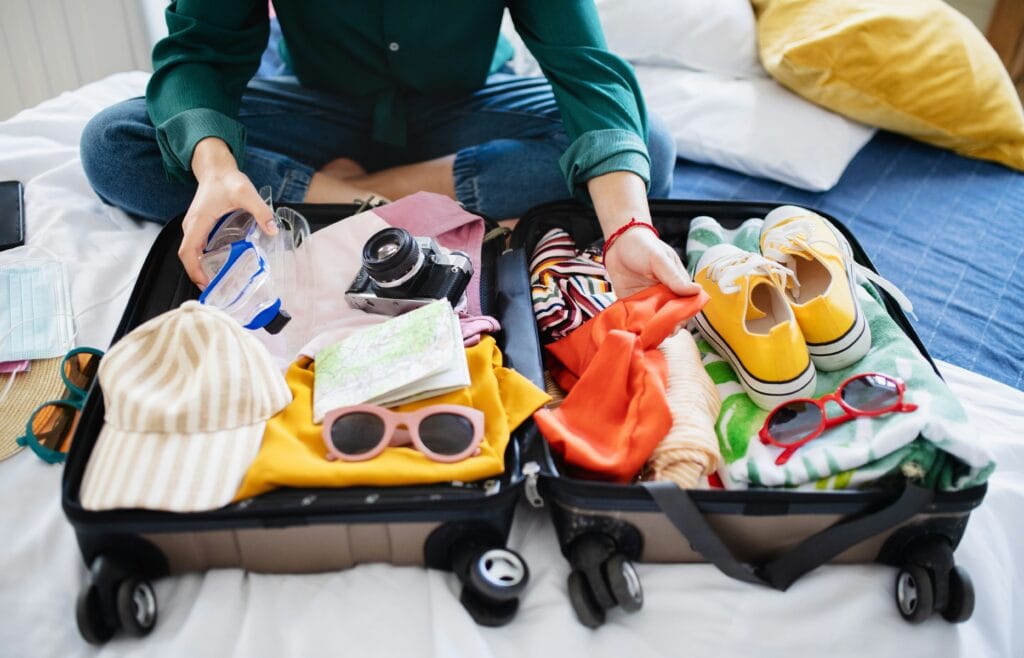
Getting ready for summer camp is exciting, until it’s time to pack. Suddenly parents are staring at a suitcase wondering: How many socks does a kid actually need for a week? Do they need rain gear? What if they forget something important?
Packing for camp doesn’t have to be stressful. With the right plan, you can make sure your child has everything they need without sending half the house along with them.
This guide walks through exactly what to pack for summer camp, what’s optional, what to leave at home, and how to help your child manage their belongings independently. You’ll also learn how many camps simplify the process by providing updated packing lists through parent portals like UltraCamp.
Let’s get your camper packed and ready for an unforgettable summer.
Why Packing for Camp Is Different From Packing for Vacation
Packing for camp is a little different than packing for a family trip. At camp, kids are responsible for their own belongings. They’re pulling clothes out of trunks, keeping track of toiletries, and trying to remember where they left their water bottle after a full day of activities.
That means the goal isn’t just to pack everything, they need to be able to find and manage their gear easily. Successful camp packing focuses on three things:
- Durability – Clothes will get dirty. A lot.
- Simplicity – Easy-to-use gear and clear organization.
- Independence – Kids should know where their items are and how to use them.
The best packing strategy helps campers feel confident and prepared without overwhelming them.
The Essential Summer Camp Packing List
Every camp has its own requirements, but most packing lists include similar basics. Here’s a general summer camp packing list for kids that works for both day camps and overnight camps.
Clothing Essentials
Start with clothing that can handle outdoor activities, weather changes, and plenty of wear. Typical clothing items include:
- 7–10 T-shirts
- 3–5 pairs of shorts
- 2 pairs of long pants or leggings
- 1–2 sweatshirts or hoodies
- Pajamas (2–3 sets that are appropriate for cabin settings)
- 10 pairs of underwear
- 10 pairs of socks
- 1 lightweight jacket or fleece
- Swimsuit (2 if swimming is frequent)
Avoid sending new or expensive clothing. Camp clothes should be comfortable, durable, and easy to wash.
Shoes
Most camps involve lots of walking and outdoor activities. Your camper will typically need:
- Closed-toe sneakers (daily use)
- Sandals or slides for showers or casual wear
- Water shoes (if the camp includes lakes or rivers)
- Hiking boots (for camps with outdoor adventure programs)
Make sure shoes are broken in before camp to avoid blisters.
Toiletries and Personal Care
Every camper should bring their own hygiene supplies. Common toiletry items include:
- Toothbrush and toothpaste
- Hairbrush or comb
- Shampoo and conditioner
- Body wash or soap
- Deodorant
- Sunscreen
- Lip balm with SPF
- Insect repellent
- Shower caddy or toiletry bag
- Towel and washcloth
If your child uses special skincare products or medications, check the camp’s policies for how those items should be packed or stored.
Bedding and Sleeping Gear
For overnight camps, sleeping arrangements vary widely. Always check your camp’s specific instructions. Typical items include:
- Sleeping bag or twin sheets
- Pillow and pillowcase
- Extra blanket
- Stuffed animal or comfort item
Some camps prefer sleeping bags, while others require fitted sheets for bunks.
Camp Activity Essentials
Many activities require a few extra items. Useful gear includes:
- Reusable water bottle
- Daypack or small backpack
- Flashlight or headlamp
- Hat or cap for sun protection
- Sunglasses
- Laundry bag
- Notebook or journal
- Pens or pencils
These items help campers stay hydrated, organized, and ready for daily activities.
Optional Items That Can Improve the Camp Experience
Not everything needs to go in the trunk. However, a few optional items can make camp life more comfortable. Popular optional additions include:
- Books or magazines
- Deck of cards or small games
- Disposable camera
- Friendship bracelet supplies
- Battery-powered fan
- Clip-on reading light
- Extra snacks (if allowed)
The key is keeping optional items small and manageable. Large toys or complicated electronics usually cause more stress than fun.
What Not to Pack for Summer Camp
Parents often make the mistake of overpacking or packing items that aren’t allowed. Most camps ask families not to bring:
- Expensive electronics
- Jewelry or valuables
- Video games
- Tablets or laptops
- Irreplaceable sentimental items
- Large amounts of cash
Camp environments are busy and communal. Items can get lost or damaged easily. If you wouldn’t want it to get muddy, misplaced, or borrowed indefinitely, it probably shouldn’t go to camp.
How to Label Everything (Yes, Everything)
Lost items are a classic camp tradition. Between cabins, activity areas, and laundry piles, gear moves around quickly. Labeling belongings dramatically improves the chances that items make their way back to your camper. Best labeling practices include:
- Permanent marker on clothing tags
- Iron-on or adhesive name labels
- Waterproof labels for water bottles
- Labeled laundry bags and trunks
You may feel like you’re labeling too much but experienced camp families know there’s no such thing as labeling too much.
Teach Kids How to Manage Their Gear
Packing the suitcase is only half the job. Kids also need to know how to use and organize their belongings once they arrive. Before camp starts, walk through the suitcase together. Show your child:
- Where shirts and shorts are packed
- Which bag holds toiletries
- Where extra socks are located
- How to store dirty laundry
This builds independence and helps campers avoid digging through their entire bag every morning. You can also create a simple checklist that kids can keep in their trunk to stay organized throughout the week.
Weather Considerations for Camp Packing
Summer camp weather can change quickly, especially if the camp is in the mountains, near lakes, or in northern regions. Even warm-weather camps should prepare for:
- Cool mornings
- Rainstorms
- Temperature drops at night
Smart packing includes:
- A rain jacket or poncho
- One warm sweatshirt
- Lightweight long pants
- Extra socks
These items don’t take much space but make a huge difference when the weather changes.
Common Summer Camp Packing Mistakes
Even experienced families make a few mistakes when preparing for camp. Here are the most common ones, and how to avoid them.
Overpacking
It’s tempting to pack for every possible scenario. But overstuffed bags make it harder for kids to find their things. Stick to the essentials and a few optional extras.
Forgetting to Label Items
Unlabeled gear almost always disappears. Labeling takes a few minutes but saves hours of searching later.
Sending Brand-New Gear
New shoes, new backpacks, or unfamiliar gear can cause problems. Kids should practice using their camp items before arrival.
Not Checking the Camp’s Official Packing List
Every camp is different. Some camps provide linens, others require sleeping bags and many prohibit snacks. Always review the official camp packing list before finishing your suitcase.
How Camp Parent Portals Make Packing Easier
Many camps now provide packing lists and preparation guides through parent portals. Camp management systems like UltraCamp allow families to:
- Access updated packing lists
- View camp policies and reminders
- Complete forms and medical information
- Receive notifications before camp begins
Instead of digging through emails or paper packets, parents can quickly find everything they need in one place. This helps families stay organized and ensures campers arrive fully prepared.
When Should Families Start Packing for Camp?
The best time to start preparing is two to three weeks before camp begins. Starting early allows families to:
- Check the official packing list
- Order missing gear
- Label belongings
- Practice packing with their child
Waiting until the night before camp creates unnecessary stress. A little planning makes the whole process smoother.
A Final Tip: Let Kids Help Pack
One of the best ways to prepare a child for camp is to include them in the packing process. Let them:
- Choose their clothes
- Pack their backpack
- Organize their toiletries
- Label their gear
This builds ownership and confidence before they even arrive at camp. They’ll know exactly where their favorite hoodie and flashlight are hiding.
The Goal Is Prepared Campers
No packing list is ever perfect. A sock might get lost. A sweatshirt might come home muddy. A water bottle might mysteriously disappear. That’s all part of the camp experience. The real goal is making sure kids arrive comfortable, prepared, and ready for adventure.
With the right summer camp packing list—and a little organization—you’ll set your child up for success. And if your camp uses a parent portal like UltraCamp, keeping track of packing lists and pre-camp preparation becomes even easier. The sooner packing is done, the sooner the real fun can begin.